Help patients get connected
Support device onboarding and practical participation needs.
MySeema helps patients get connected, stay engaged and complete the agreed next steps around remote monitoring. Qualified clinical review and treatment decisions follow the partner’s defined care model.
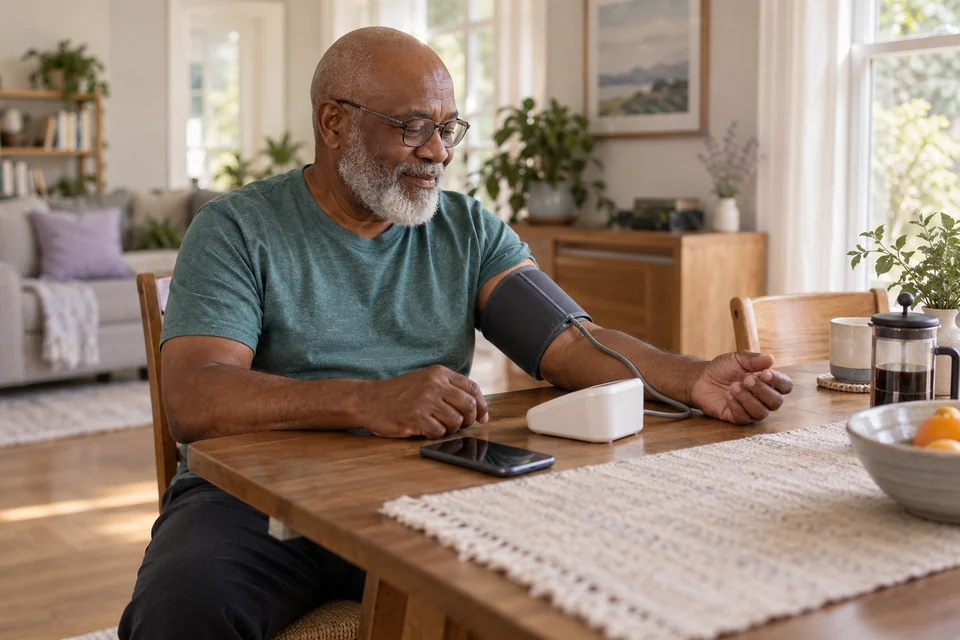
More support, without a new coordination department
Support device onboarding and practical participation needs.
Follow the agreed review and escalation workflow.
Coordinate the next step and document the work.
Illustrative workflow, not an actual patient record or an outcome claim.

ACO partnership experience · IntraCare
“Partnering with MySeema allows us to expand critical programs like remote monitoring and care navigation in a way that supports both patient health and our broader population health strategy.”
From MySeema’s broader care-management partnership.
Read about the partnership →RPM device options
We help coordinate device selection, setup and ongoing participation around your clinical plan. Connected options include:
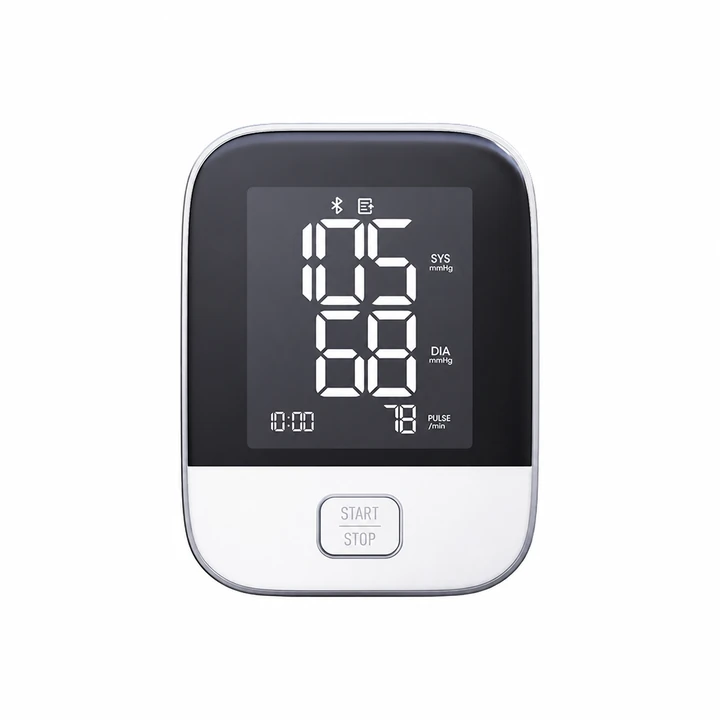
Home blood-pressure and pulse readings, with cuff sizes selected for the patient.
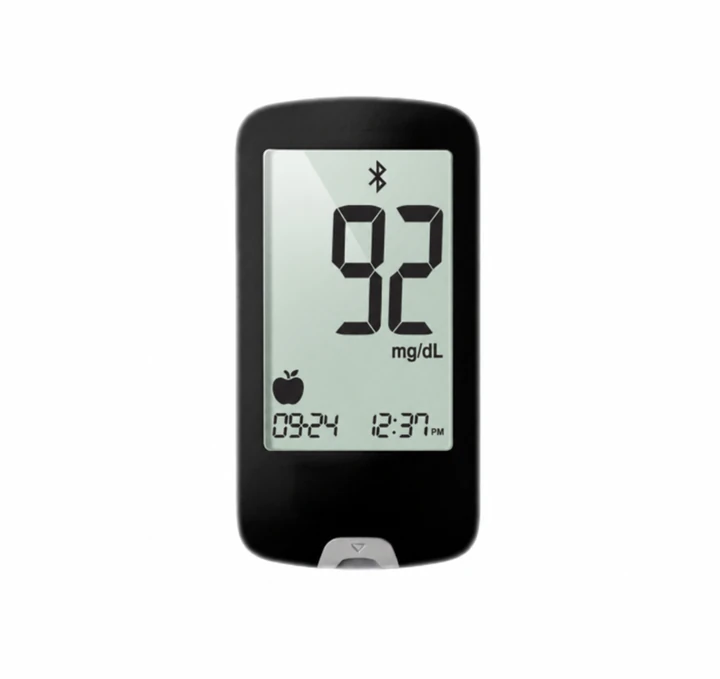
Finger-stick glucose readings, with compatible strips and testing supplies.
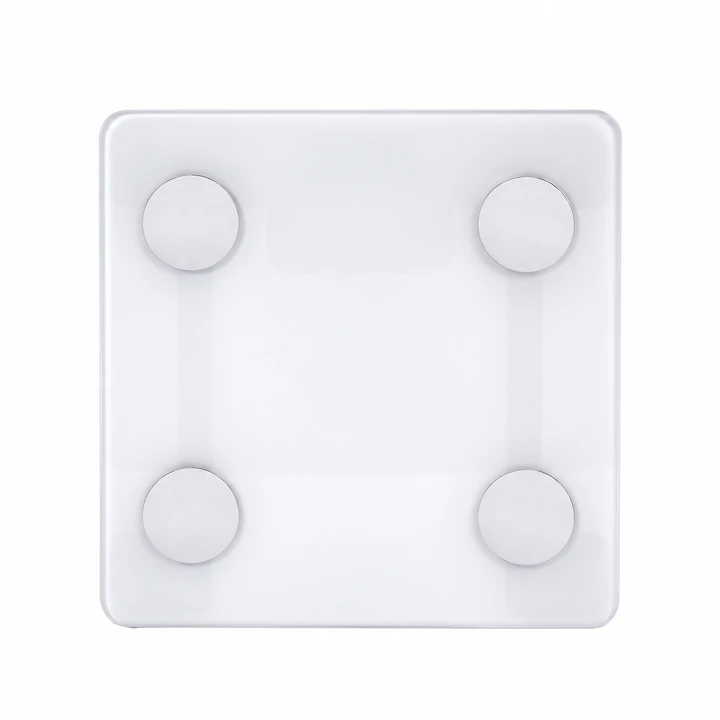
Weight trends between visits, including higher-capacity options when needed.
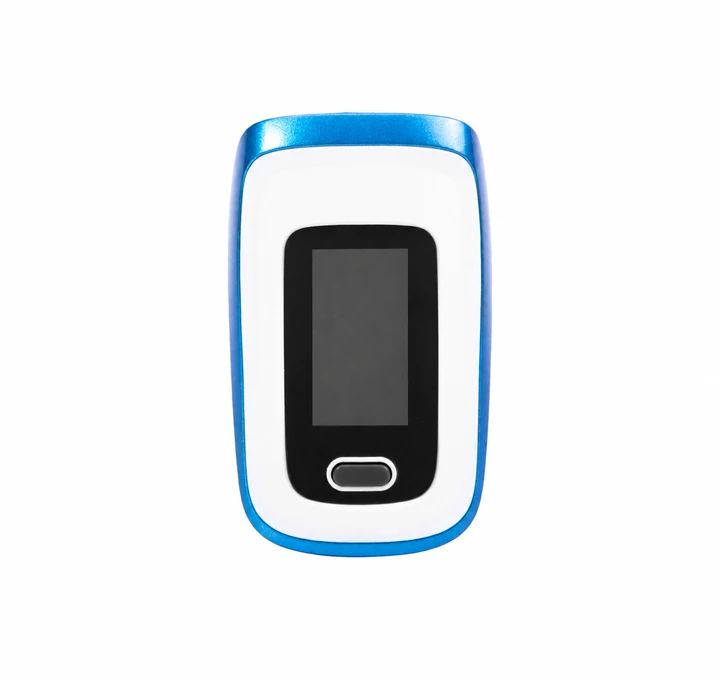
Blood-oxygen saturation and pulse readings for an appropriate monitoring plan.
Cellular options can send readings without a home Wi-Fi connection. Some devices connect through a cellular hub; coverage and setup needs are confirmed for each patient.
Connected peak flow meters and thermometers can support selected clinical needs. Device choice depends on the measurements your clinicians need, the patient’s abilities and connectivity, and model availability. Consumer activity tracking alone does not establish RPM eligibility.
RPM requires a qualifying medical device and automatic transmission of physiologic readings. The clinical team determines medical necessity and treatment; MySeema supports setup, participation and agreed follow-through.
Example devices shown. Models vary by patient and program; selection and availability are confirmed during setup.
Physiologic data
A qualifying connected medical device and the applicable data-day requirements.
Estimate this base service →Clinical work
Qualifying treatment-management work and required interactive communication.
Estimate this base service →Device supply and management are different services. A combined estimate requires patients to qualify for both. Setup and additional-time codes are not automatically included.
Choose a service and patient count. Adjust the assumptions if needed.
Codes modeled: None selected
One-off services and add-on codes are excluded unless they appear in the selected scenario.
Current 2026 offering · Device and clinical roles confirmed before launch
Patient cost sharing and protections depend on coverage and the service. Explain them before consent. Do not use this illustration to charge a Qualified Medicare Beneficiary protected amounts. RHC/FQHC payment rules and Medicare Advantage contracts differ from the national PFS benchmark.
Reviewed October 6, 2026. Estimates use the October 2026 CMS rate release.
Proposed 2027 remote-monitoring changes are not final. This page and estimate use 2026 rules and do not forecast 2027 payment. CMS proposal.
We’ll show you the coordination MySeema can take on, how it fits your practice and what the financial model could look like.