Support participation
Help patients understand the agreed monitoring process.
MySeema supports patient participation and follow-through around prescribed therapy. Your qualified treating team reviews the monitoring information and directs care; we support the agreed operational workflow.

More support, without a new coordination department
Help patients understand the agreed monitoring process.
Follow up on participation barriers and appointments.
Document activity and route concerns to the treating team.
Illustrative workflow, not an actual patient record or an outcome claim.

ACO partnership experience · IntraCare
“Partnering with MySeema allows us to expand critical programs like remote monitoring and care navigation in a way that supports both patient health and our broader population health strategy.”
From MySeema’s broader care-management partnership.
Read about the partnership →RTM device options
RTM focuses on treatment use and response. We help match the tracking approach to the prescribed therapy and the patient’s daily routine.
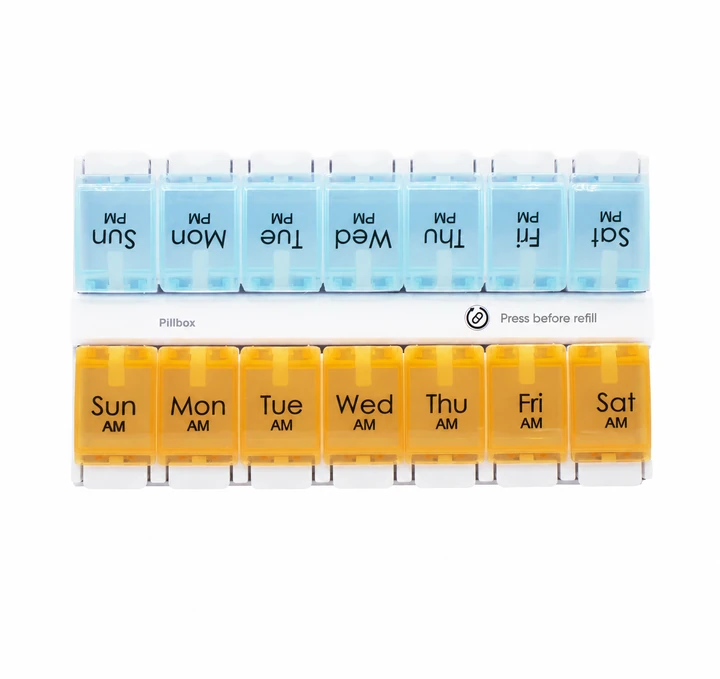
Record compartment-opening events to help the team discuss medication routines.
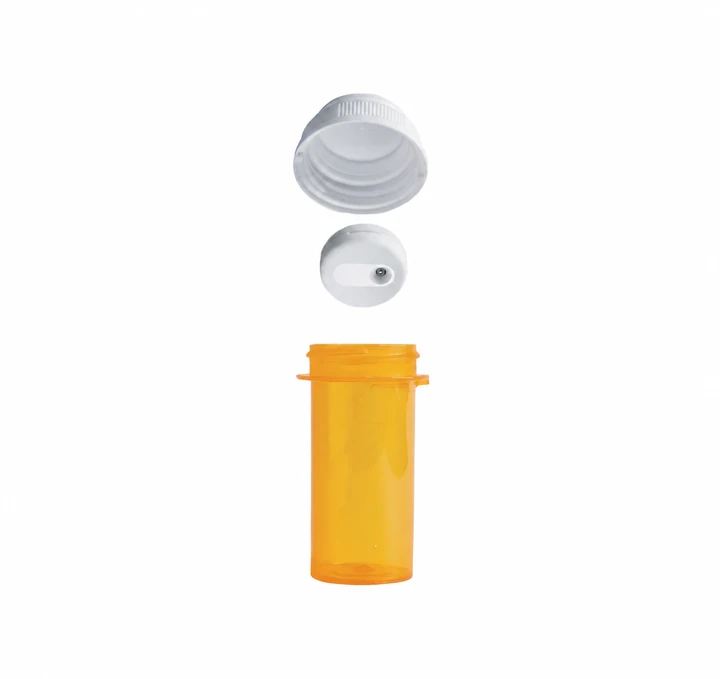
Record bottle-opening and closing events for selected medications.
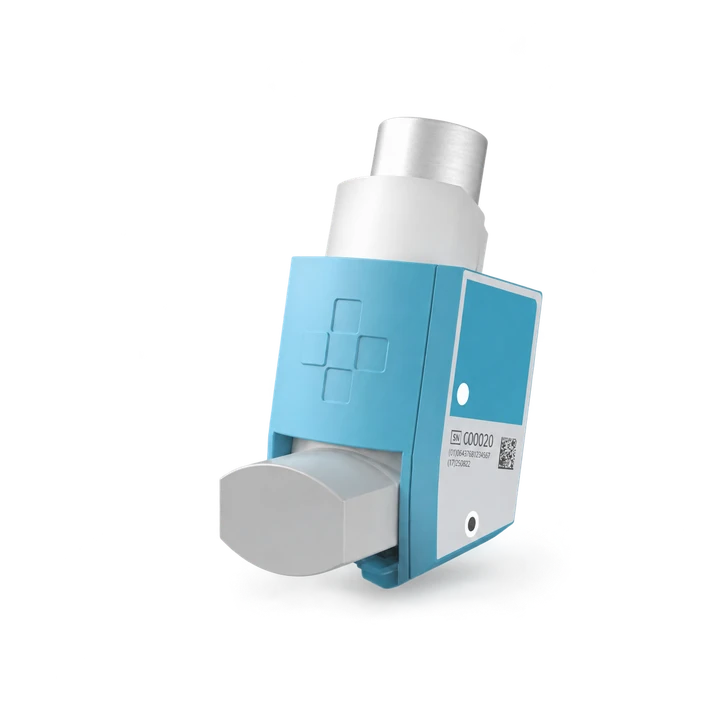
Track use of selected inhalers. Device compatibility and availability are confirmed before launch.
These tools provide signals for follow-up. Opening a pillbox or bottle does not prove a dose was taken, and an inhaler-use event does not by itself confirm correct technique.
The treating team selects a qualifying medical device or medical-device software suited to the prescribed therapy. Depending on the tool, information may include patient-reported pain, function or therapy participation. We review the device, integration and coordination scope before launch.
Not every adherence tracker qualifies for RTM. The device, condition, treatment plan and documented service must fit the applicable monitoring pathway. MySeema coordinates support; qualified clinicians direct treatment.
Example devices shown. Models vary by patient and program; selection and availability are confirmed during setup.
Therapy information
A qualifying medical device, prescribed therapy and the applicable data-day threshold.
Estimate this base service →Qualified-provider work
Qualifying management time and required interactive communication.
Estimate this base service →Use the appropriate qualifying therapy/device pathway. Setup, device supply and treatment management have separate requirements. Cognitive-behavioral device codes are contractor-priced and have no national default here.
Choose a service and patient count. Adjust the assumptions if needed.
Codes modeled: None selected
One-off services and add-on codes are excluded unless they appear in the selected scenario.
Current 2026 offering · Therapy, device, and qualified-provider roles confirmed before launch
Patient cost sharing and protections depend on coverage and the service. Explain them before consent. Do not use this illustration to charge a Qualified Medicare Beneficiary protected amounts. RHC/FQHC payment rules and Medicare Advantage contracts differ from the national PFS benchmark.
Reviewed October 6, 2026. Estimates use the October 2026 CMS rate release.
Proposed 2027 remote-monitoring changes are not final. This page and estimate use 2026 rules and do not forecast 2027 payment. CMS proposal.
We’ll show you the coordination MySeema can take on, how it fits your practice and what the financial model could look like.